Lose Weight > Common Sense To Lose Weight > Common Sense Article > The Connection Between Leptin Levels and Weight Loss Explained
The Connection Between Leptin Levels and Weight Loss Explained
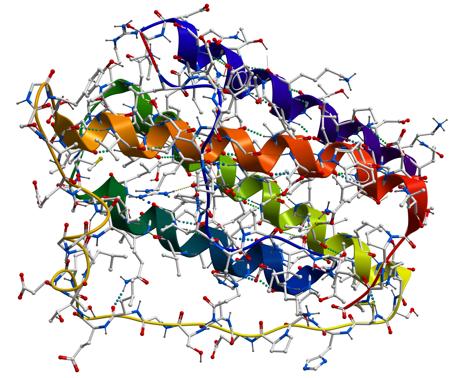
- Molecular Weight: 16kD (167 amino acid)
- Encoding Gene: ob gene; it is located on chromosome number 7 in humans
- Nature of Hormone: Adipose derived hormone
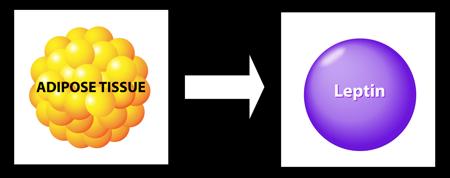 Of the different endocrine organs in the body, adipose tissue is the one responsible for the production of leptin. Humans have two kinds of adipose tissue - white adipose tissue and brown adipose tissue. Leptin is primarily synthesized by the white adipocytes (cells of the white adipose tissue).
Apart from this, leptin is also synthesized by brown adipose tissue, ovaries, stomach, bone marrow, etc.FunctionsLeptin primarily functions to inhibit appetite. Leptin elicits its functions by binding to leptin receptors in the hypothalamus of the brain. The main functions of leptin are -
- show inhibitory/antagonist effect on neuropeptide Y (a polypeptide that stimulates feeding)
- show inhibitory/antagonist effect on anandamide (another feeding stimulant)
- stimulate the synthesis of α-MSH (melanocyte stimulating hormone) - an adrenocorticotropic hormone (ACTH) produced when the body is in stress. α-MSH acts as an appetite suppressant
For Women: 7-13 ng/dl
The normal leptin levels for healthy males and females are different due to the fact that men and women have a different amount of adipose tissue in the body. White adipose tissue contributes to about 20% of body weight on an average in a healthy male, and 25% of body weight on an average in a healthy female. Thus, the number of adipocytes and consequently the levels of leptin are different in men and women.It may be evident from the description of the hormone so far that the leptin level in your body must be connected to weight loss; leptin being an adipose derived hormone that is directly affected by, and proportional to the level of adipose tissue in your body. How does the network of leptin level and weight loss operate? Here is how.The Connect Between Leptin Levels and...
 ... Appetite: Leptin is produced by white adipocytes. The adipose tissue stores lipids. The oxidation of lipids releases usable energy in the body. If the body has a lot of adipose tissue, in turn a lot of leptin is produced. This acts by inhibiting the feeding stimulant in the brain. In turn, we "feel" less hungry. In layman's terms: lot of adipose tissue means the body is well stocked with 'food', hence leptin produced by the adipocytes tells the brain, "Okay there is enough energy, stop eating!" On the other hand, fasting or following a very low-calorie diet can deplete the fat in the body. Hence adipose tissue shrinks, leptin levels drop, feeding stimulants (which were earlier inhibited by leptin) act and we feel hungry.
 ... Obesity: In normal people, if there is a high reserve of fat in the body, leptin prevents overfeeding. This is how leptin affects weight gain. However, in obese people, unusually high levels of circulating leptin are observed. In spite of this, these people do not "eat less" even after the excess leptin circulating in their bodies. Obese people are in fact resistant to levels of leptin. Persistent high levels of leptin act by desensitizing the body to the effect of leptin. However, it has also been suggested that rather than avoiding overfeeding, leptin in fact acts by regulating the effect of starvation. Leptin resistance and the factors affecting it is an area where a lot of research is being done in the hope to find an answer for the obesity epidemic hitting developed countries.
 ... Food Nutrients: Certain food products in the human diet have shown to have a profound effect on the leptin levels in the body. These are collectively known as leptin foods. One such food nutrient closely associated with leptin resistance is fructose. A diet high in fructose has been shown to induce leptin resistance in rats. It has hence been suggested that high intake of food products like candy, soda, or other sugary foods may lead to leptin resistance.From the Evolutionary StandpointIt has been suggested that leptin resistance is in fact an evolutionary benefit to animals. Leptin inhibits appetite. This in turn affects food intake. However, an organism that was resistant to the effects of leptin would never 'limit' its food intake; it would never 'starve'. Hence leptin resistance has in fact been said to be a good thing. It has also been demonstrated in a few laboratory animals that leptin resistance is transitionally induced when the animal is put on a high energy food diet. This has also been proposed to be evolutionarily linked: the ability to efficiently store food (energy) when it is available confers a survival advantage on the organism. However, these claims are debatable, as leptin resistance is in fact seen in obese individuals, and obesity itself is not beneficial or conducive to survival!The leptin hormone, hence, has a very close association with food intake, energy resource and weight loss. However, it is not the only factor that affects weight loss. No doubt leptin levels in the body affect body weight; however, a more prominent effect is elicited by the kinds of food we eat and the lifestyle we follow. The key to healthy and sustained weight loss is a proper balanced diet, and good amount of exercise.
Related Articles
-
How To Lose Weight And Live Longer With NutriSystem Meal Plans
Most people have a goal to lose weight. However, it is easier said tha
-
How To Stop Being Mean To Yourself About Your Weight (Seriously!)
-
How Lose Weight Fast Diets Mislead You
Are you wondering how lose weight fast diets work? Its a legitimate q
-
Quick Weight Loss Diet: How To Lose Those Extra Pounds Easily
Nowadays, weight is something that weighs down quite a lot of people,
-
Making A Change: Ideas To Help You Get Started On Your Weight Loss Journey
It seems that everyone is looking to lose some weight. It always
-
Juicers - Your Source For Ambrosia!
We all love to drink a glass of natural juice, full of minerals, vi

- DON'T MISS
- Detox Tips for Weight Loss
- How To Get Six Pack Abs Fast
- Low-Carb Diet, Should I or Shouldn't I?
- Inisightful Diet Tips
- Tricks To Avoid Halloween Sweets
- Quick Weight Loss System Includes Amazing Tips
- Lose Weight By Eating Grapefruits – Is It Possible?
- Want To Learn More About Medifast Weight Loss And Medifast Diet Plan?
- Why Homeopathic HCG Diet Drops Are Better Than Injections
- The 3 Day - Guaranteed To Destroy Your Flab Forever FREE Dynamite Weight Loss Plan